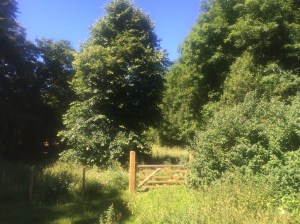

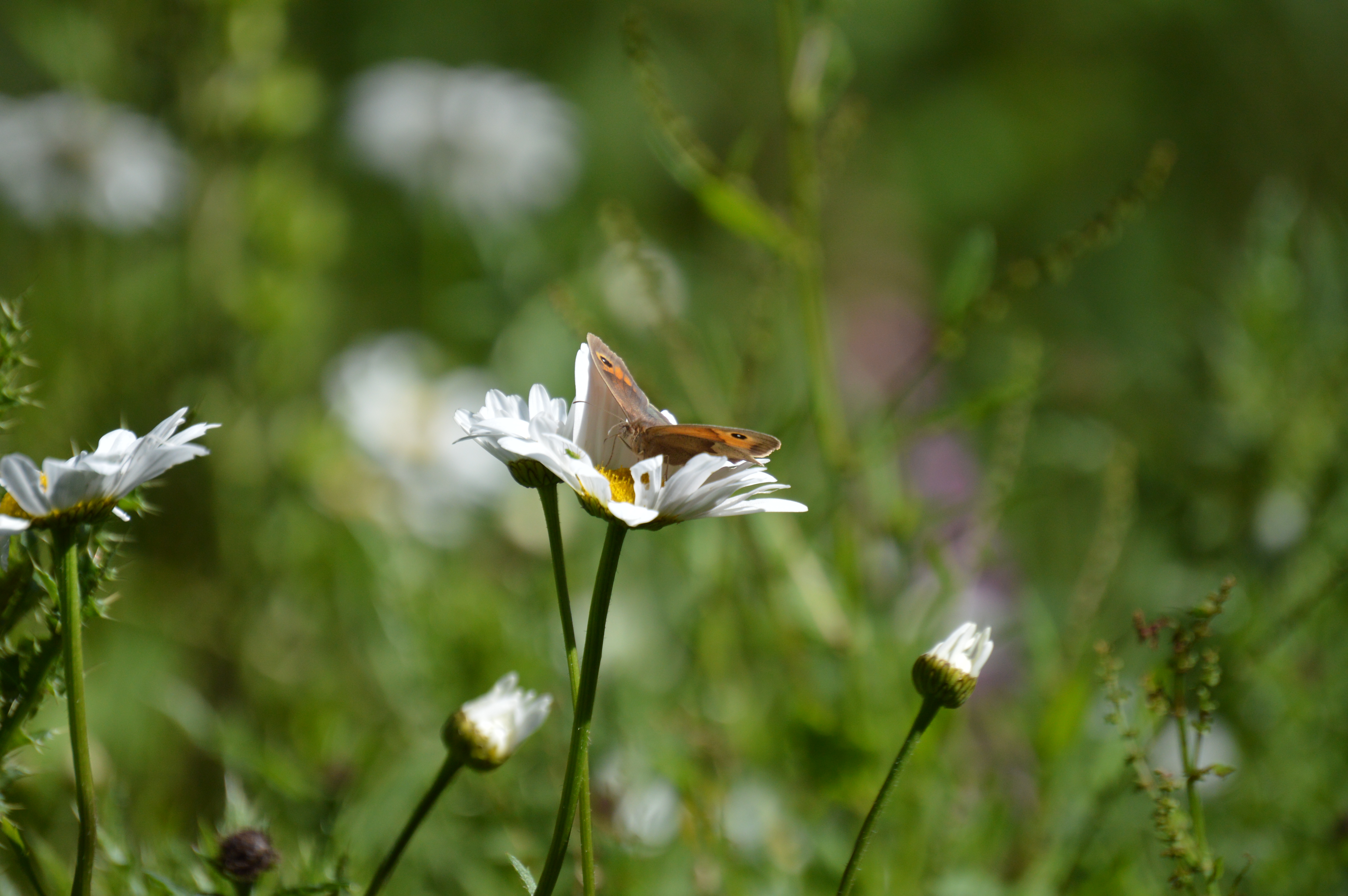
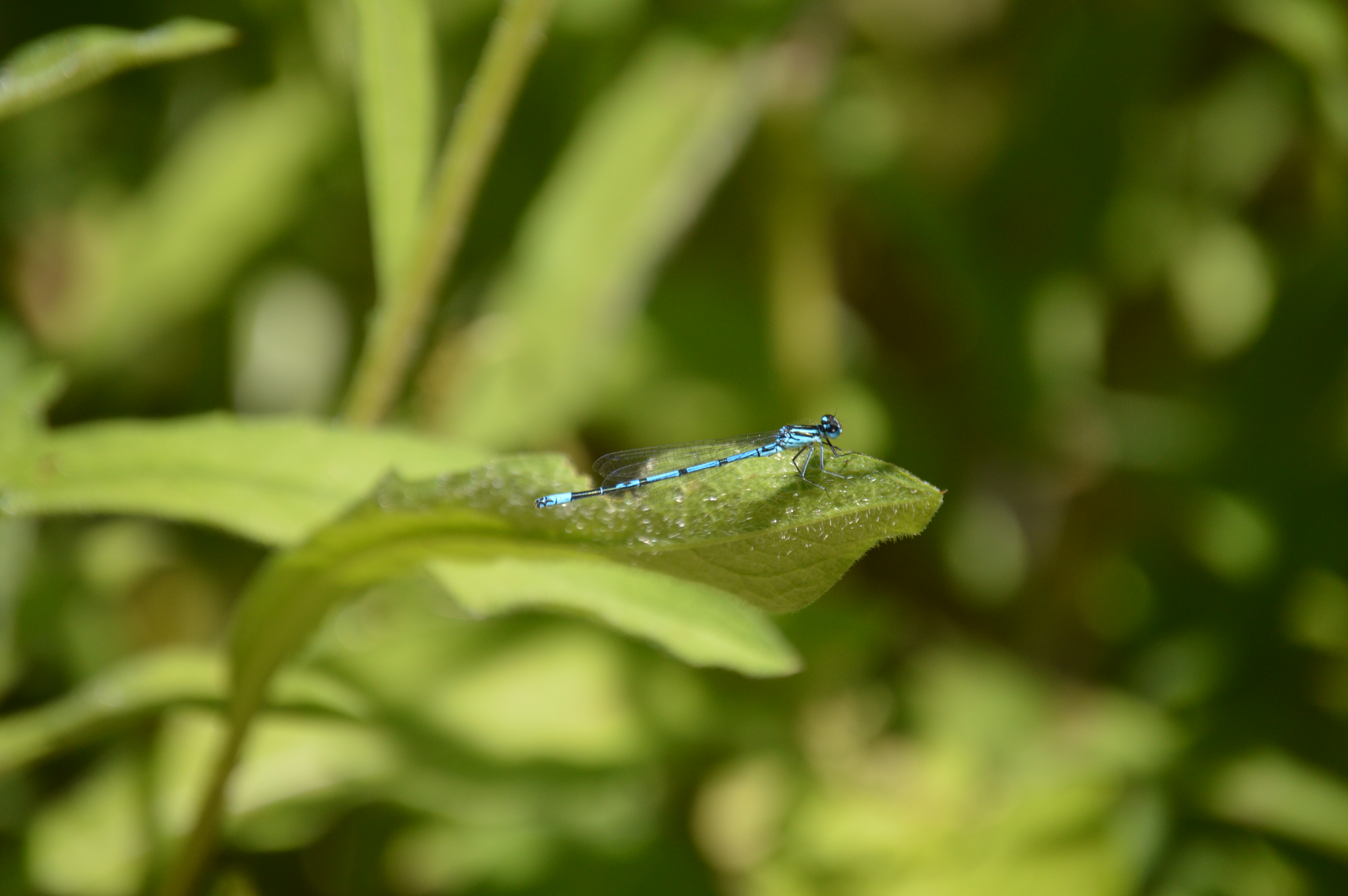
Sometimes we need to take time to notice the little things. When out for a walk, it’s easy to be swept away by the beauty of the scenery or to have your attention drawn to the more obvious, easier to spot wildlife around you – often failing to notice those plants or creatures which may at first look insignificant or even dull, but each has it’s own story, beauty and important place in the ecosystem.
However big or small your patch is, you can make a difference. You don’t have to have a piece of land or large garden to attract wildlife. A small pond can make a massive difference. It doesn’t have to be big – even something the size of a sink will do – a plastic storage box for instance, sunk into the ground will attract a surprising amount of wildlife. Birds will drink from and bathe in it, it will be a valuable source of water for hedgehogs and other creatures, not to mention frogs, toads etc..
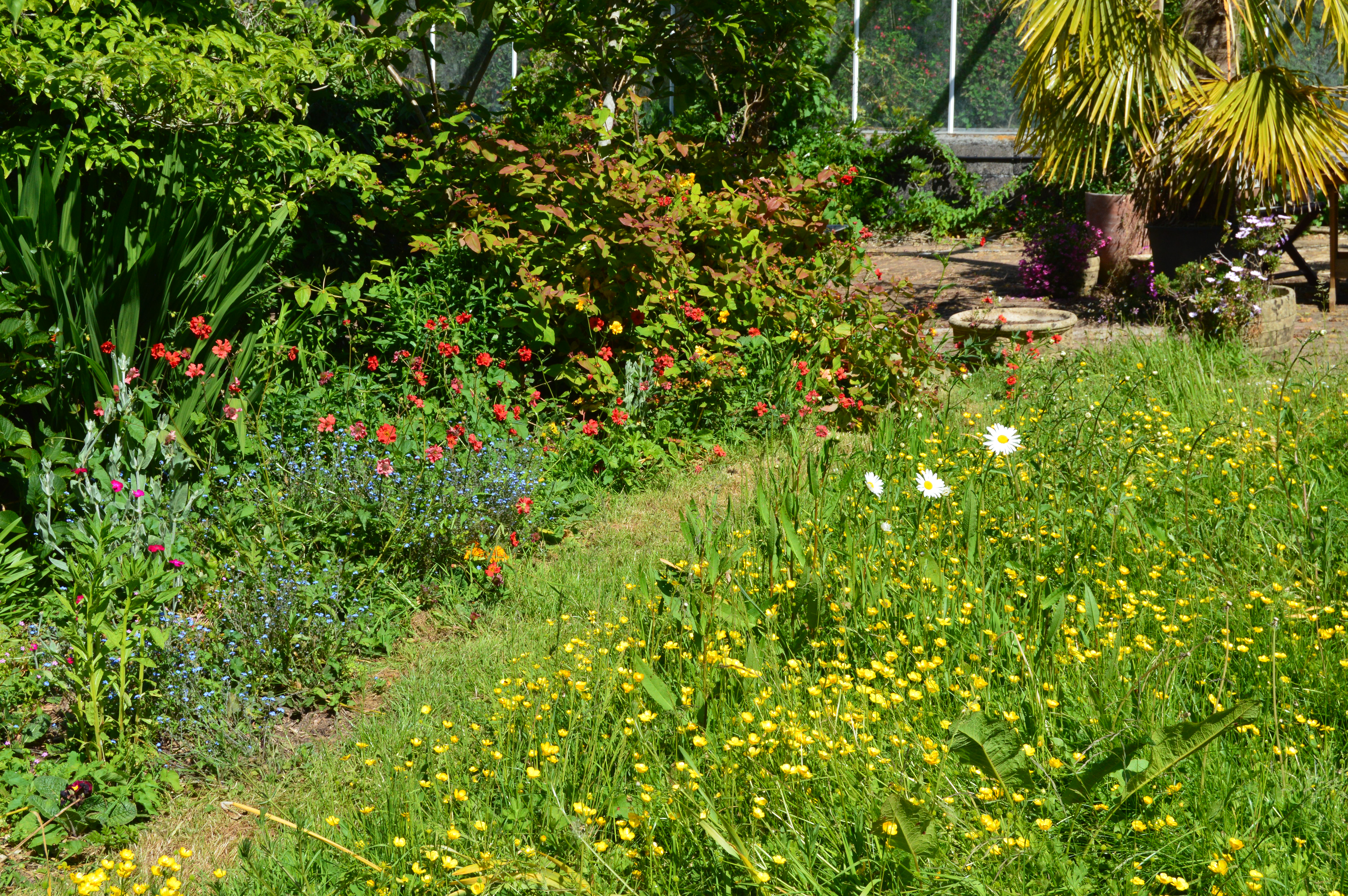
Don’t cut your lawn so often – we’ve left one part completely unmown, the other we mow once a fortnight. The unmown lawn with its seeding grasses and wild flowers is great for birds, butterflies, bees and other insects. It also provides cover for grass snakes, voles and other creatures too. It rewards us by looking pretty with yellow Buttercups and even a patch of Oxeye Daisies.
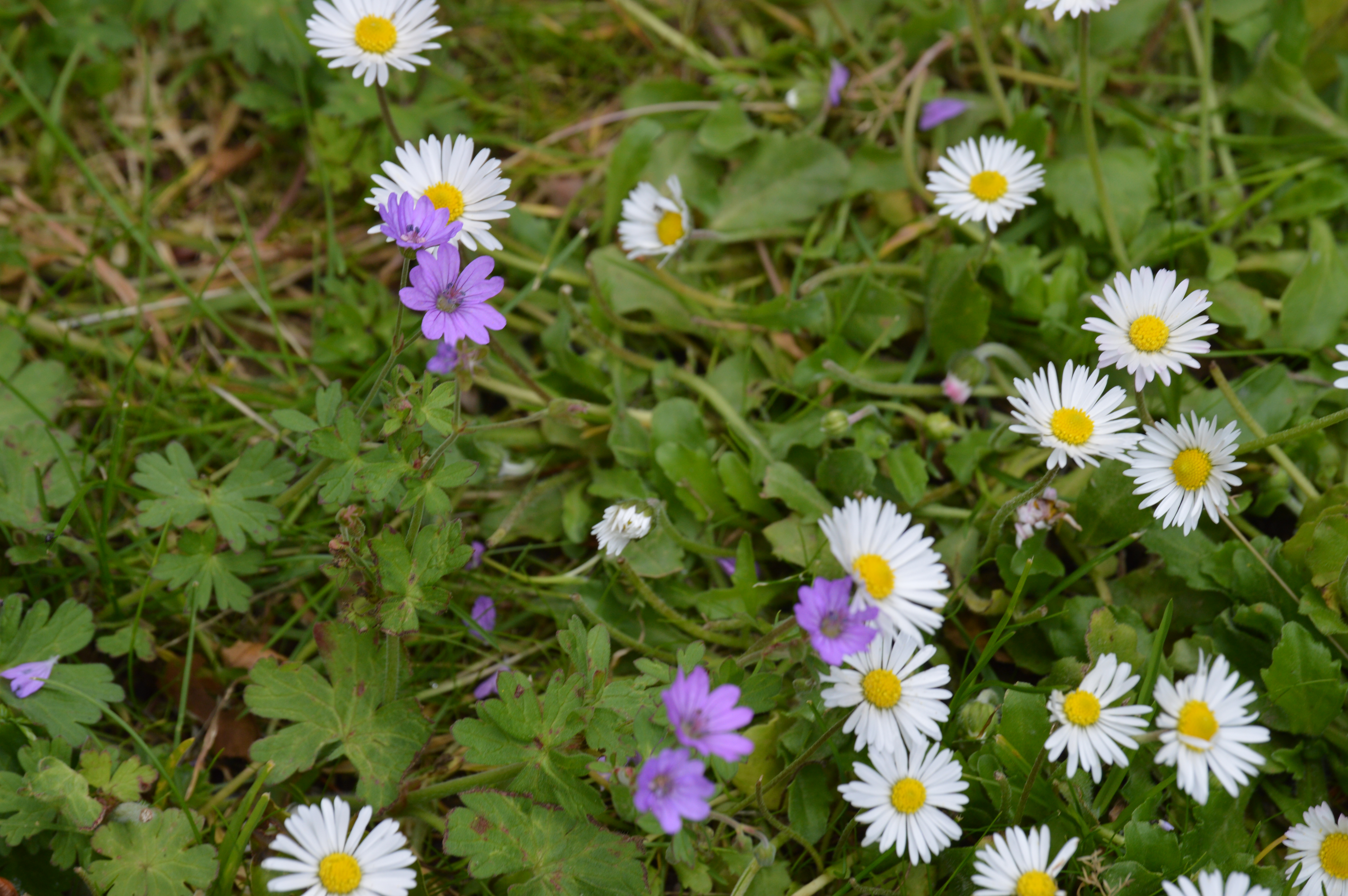
The lawn mown once a fortnight is covered in low growing bright yellow buttercups interspersed with white daisies and pretty tiny blue Geraniums, there is Prunella in there too which will shortly be in flower with their striking purple spikes – much prettier than a neatly mown and manicured, but rather dull lawn.
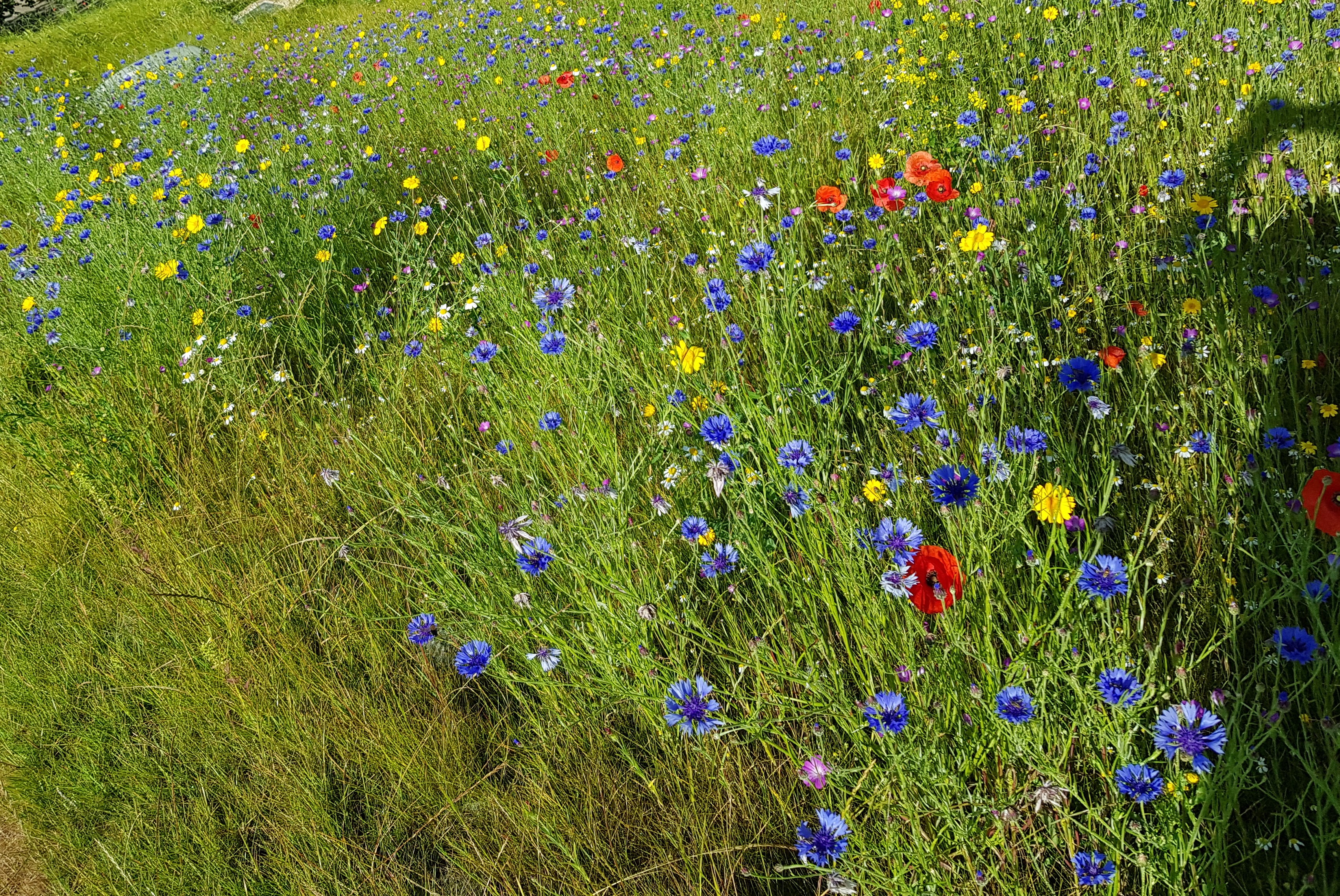
You could even turn your garden into a mini wildflower meadow, which would be very pretty and would attract many bees and butterflies. It also has the added bonus of not needing to be mown! If it looks too unkempt for your taste, you could mow around the edges and shape it so that you have “islands” of wildflowers that look as if they’re “meant to be” and a little less wild.
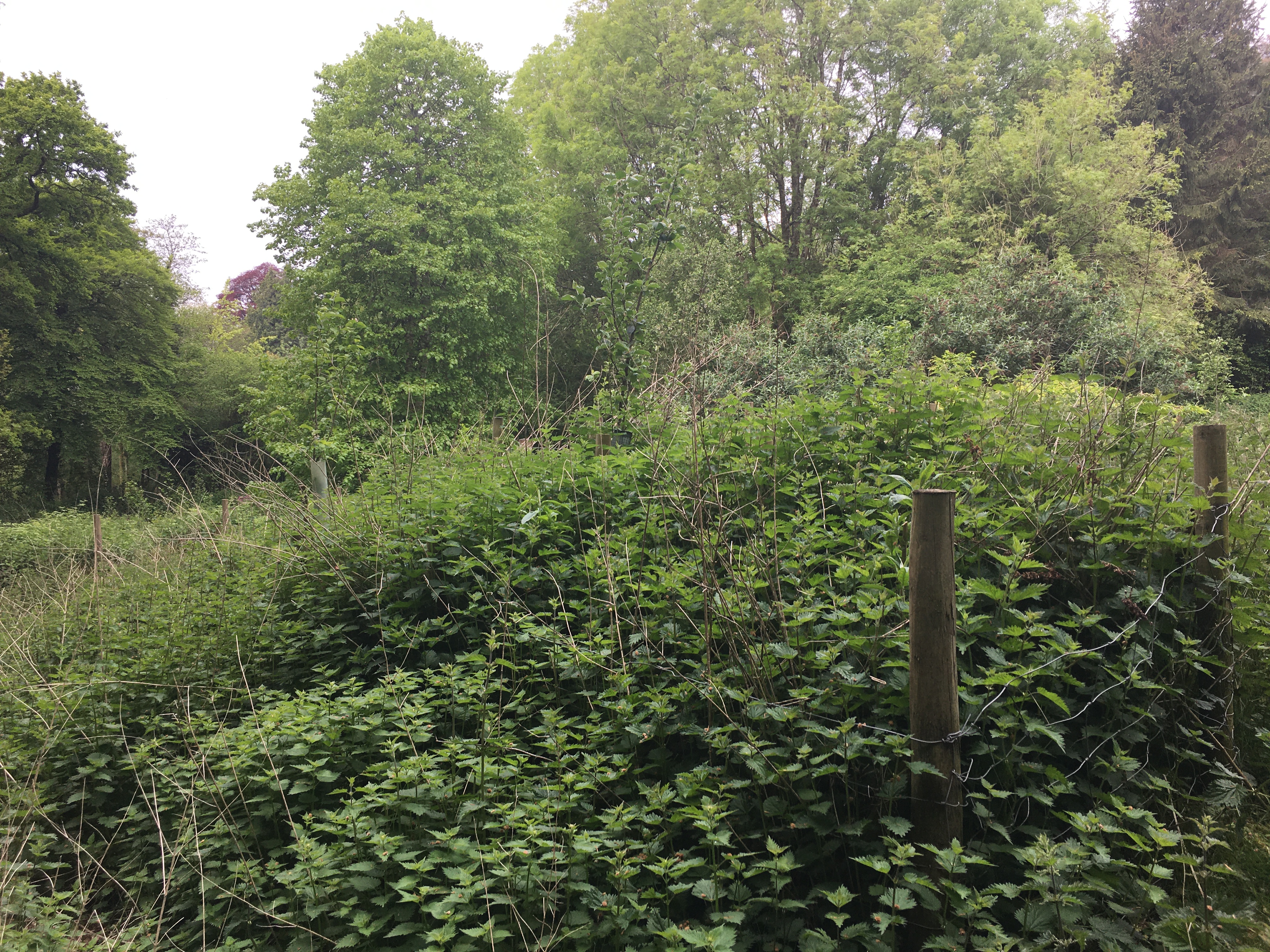
If you do have a corner where you can allow nettles to grow, please do, they are a valuable food plant for many species of butterflies and moths. It’s all very well providing food plants for the adults, but if you want them to multiply you need to provide them with somewhere to lay their eggs and food for their caterpillars too.
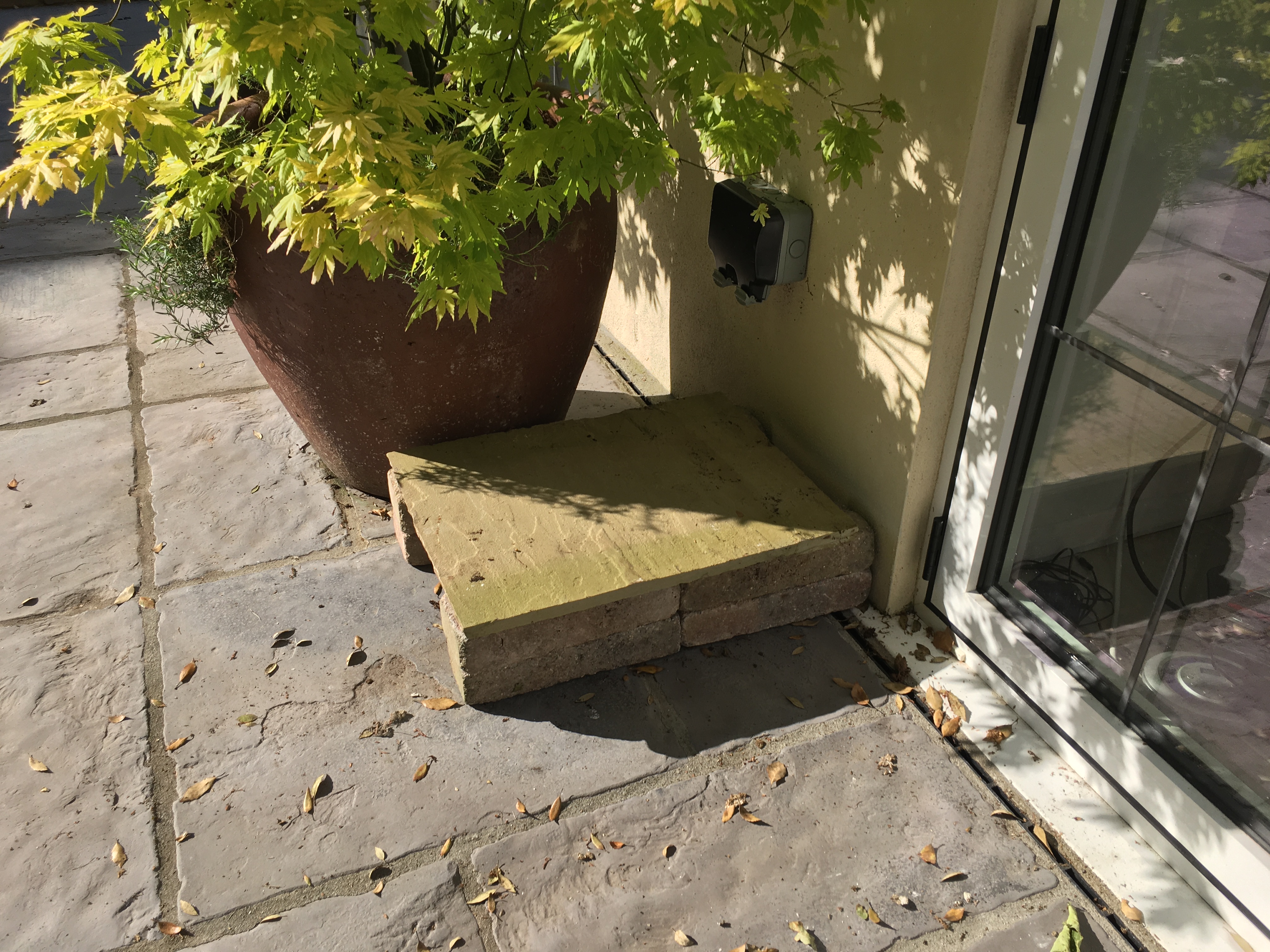
Make a simple feeding station for hedgehogs and leave out a shallow dish of water and some hedgehog food (available from most pet shops).
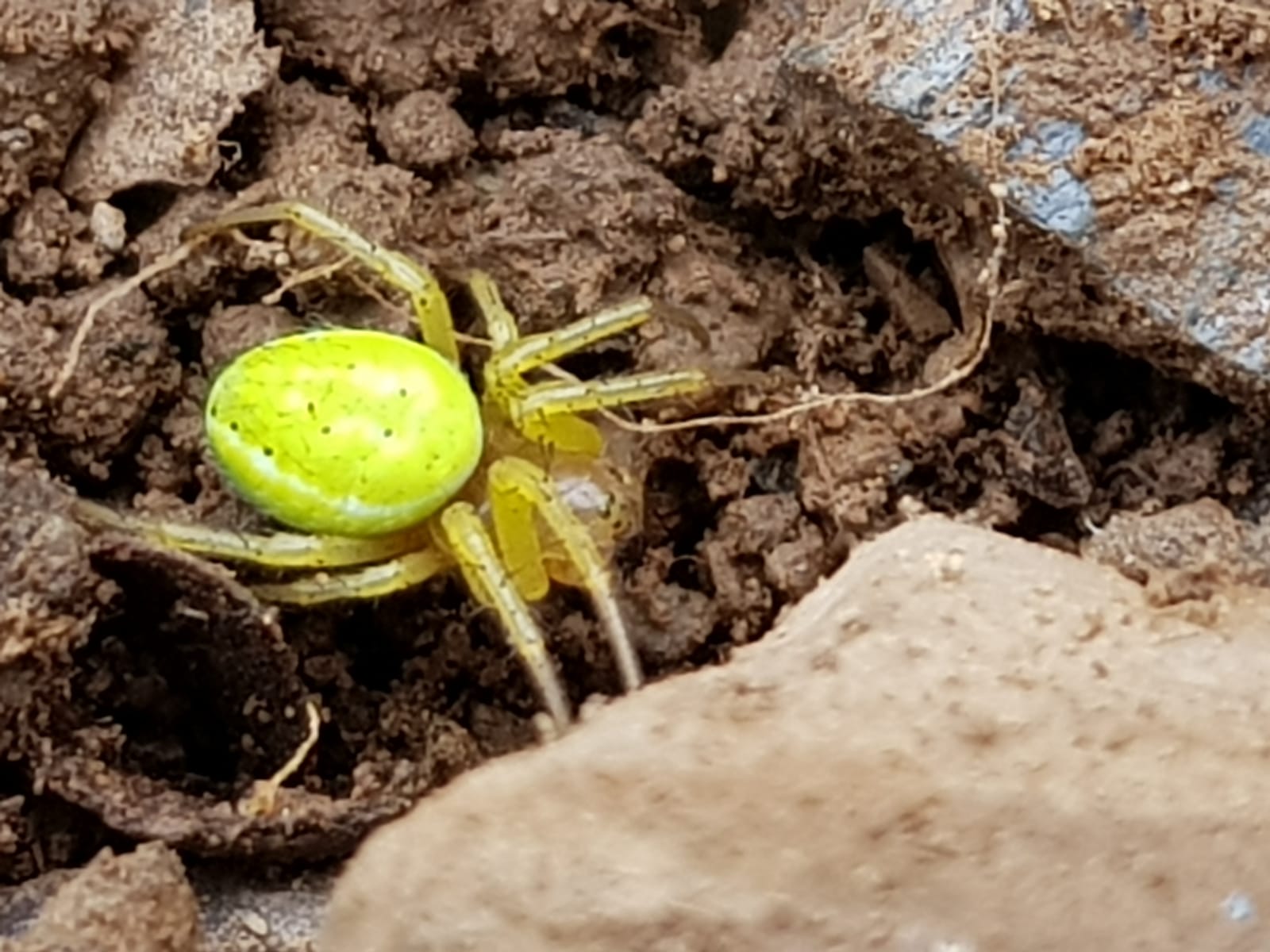
Like I said, it’s the little things – by providing a habitat for insects to thrive, such as your wild lawn, it will in turn provide food for larger creatures, such as birds. A small pond will provide a source of drinking water to the land dwellers and a habitat for amphibians and aquatic species, again attracting interesting predators such as grass snakes and other creatures. Take time to study the insects you see out and about, many will surprise you with their vivid colours and unexpected beauty. Like us, you might find tiny flowers in your lawn you never realised were there until you allowed them to flower.
Whatever little thing you do, nature will reward you.
 Never Mind the Bullocks