“Saga” – no, not the collective noun for our sheep, though perhaps it should be! Somehow it seems appropriate to describe the journey we’ve had with them over the years. “Soay” is of old Icelandic origin and I’ve always loved the Icelandic sagas – having studied them at university and visited Iceland as a student. These sheep have been both simple and uncomplicated to keep and conversely, at times, very challenging. We’ve had to unlearn much of what we thought we knew about sheep (which I have to admit wasn’t much at the start) and have studied these creatures and their behaviour, evolving over time methods of moving and handling them more suited to their intelligent, gentle and nervous natures rather than the conventional methods.
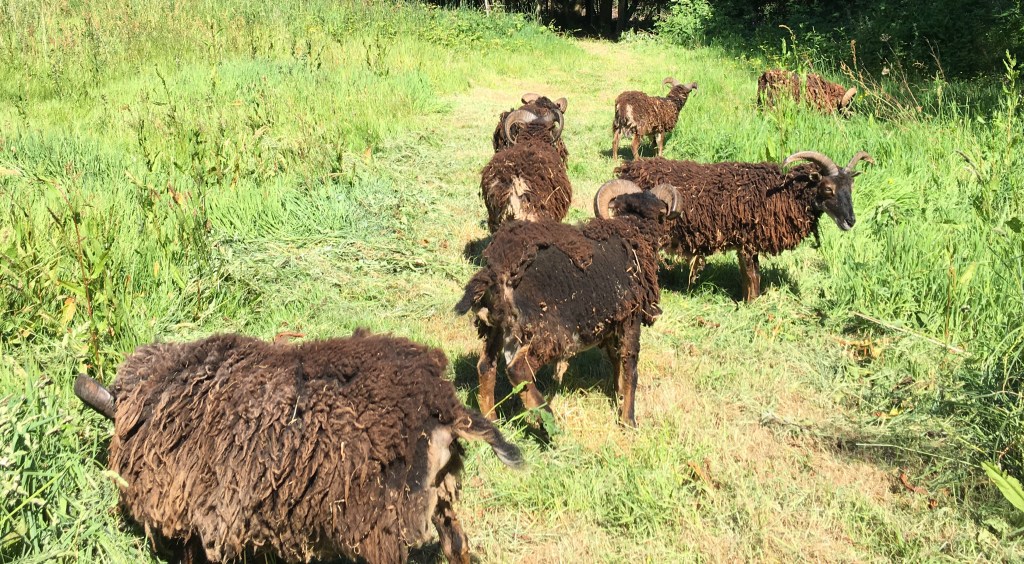
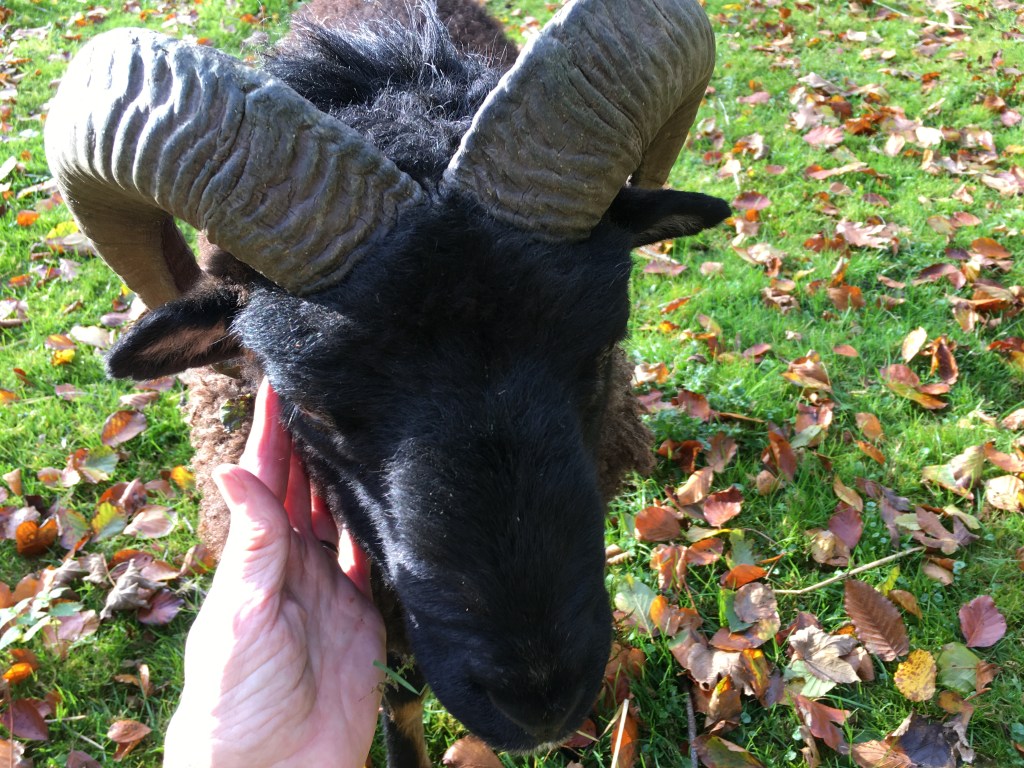
We have had Soay sheep on our land for over 20 years. We first came across them at a local agricultural show. The National Trust stand had a few in a pen and there was something about them that we found endearing. They are a rare breed, originating from the tiny island of Soay in the St Kilda archipelago off the west coast of Scotland. “Soay” derives from an Old Norse word meaning “island of sheep”. Much smaller than domestic sheep, slighter and prettier, ewes are quite like deer and the rams with their big corkscrew horns are sometimes mistaken for goats. They are classed as “at risk” on the Rare Breeds Survival Trust watch list as there are only between 900 and 1500 registered breeding ewes left. We chatted to the ranger who told us that they were looking to reduce a flock they had grazing on the cliffs at Kingswear and were hoping to attract buyers at the show. With a field that was rapidly becoming overgrown and the two pygmy goats we had taken on to tackle it not munching their way through as much as we had hoped, we were always open to suggestions for scrub bashers/lawnmowers of the four legged kind. On being told how exceptionally hardy they were and that they shed their own fleece – we were sold – the archetypal low maintenance sheep! Not wishing to breed from them initially, we agreed we would take on just six ewes.
Sadly six were soon reduced to four – two of them managed to break into the chicken run and eat the corn which proved fatal to them and a harsh lesson to us to be more careful in the future.
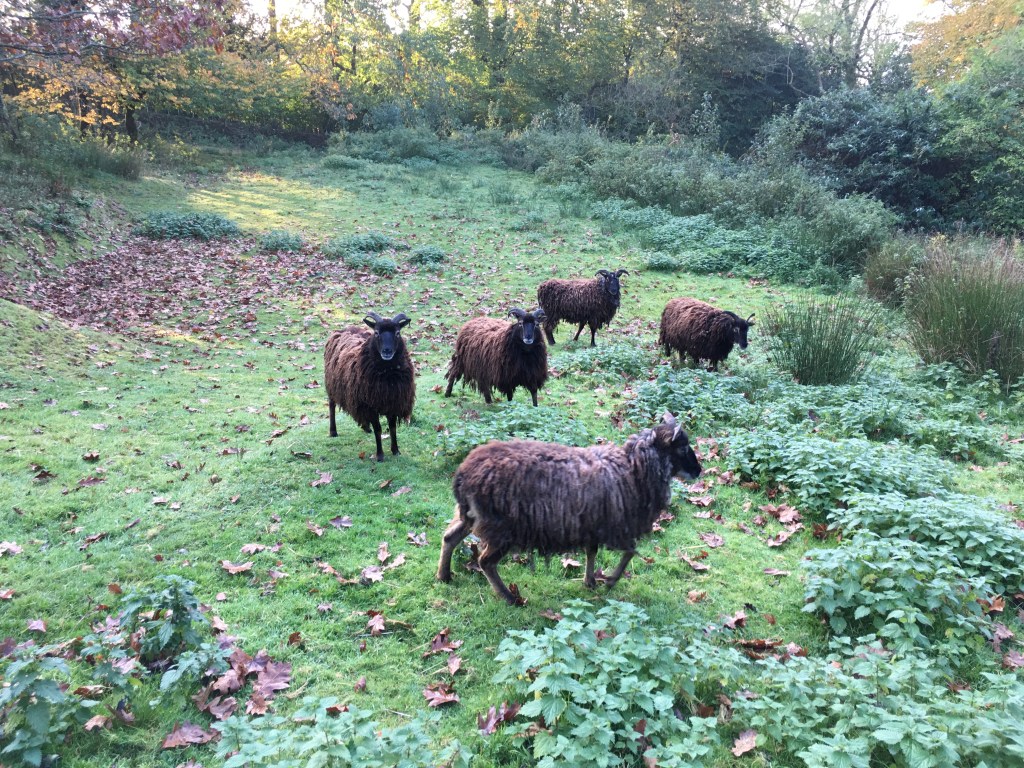
Physically the Soays resemble the wild ancestors of domestic sheep*(1) it follows that their digestive systems are more primitive than domestic breeds too. They cannot cope with grass that is too rich, they browse like goats – being particularly partial to brambles which also prove an invaluable aid to fleece shedding in the summer! Any hard feeds fed to them must not contain copper which will poison them. Their preference for poor pasture and scrub and their goat like agility makes them ideal for grazing cliffs and rocky areas, hence why the National Trust had deployed them on the cliffs near Kingswear.
Our sheep did a sterling job of clearing the brambles in the field (we made sure we still had plenty in the hedgerows for the wildlife). They also, unexpectedly, proved extremely effective at controlling Japanese Knotweed. When we bought the property, the area around the pond in the bottom corner of the field was a jungle of this invasive, extremely fast growing and practically indestructible foreign invader. The sheep ingratiated themselves further on us by developing a taste for this fast growing green adversary and proving an extremely successful method of control.
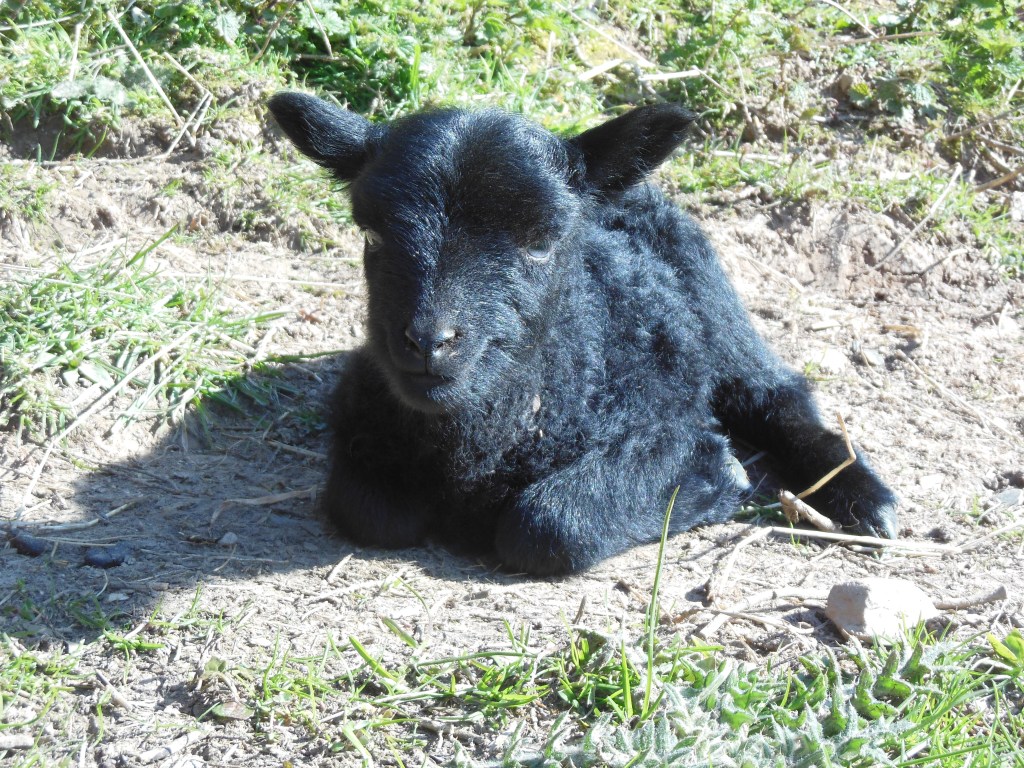
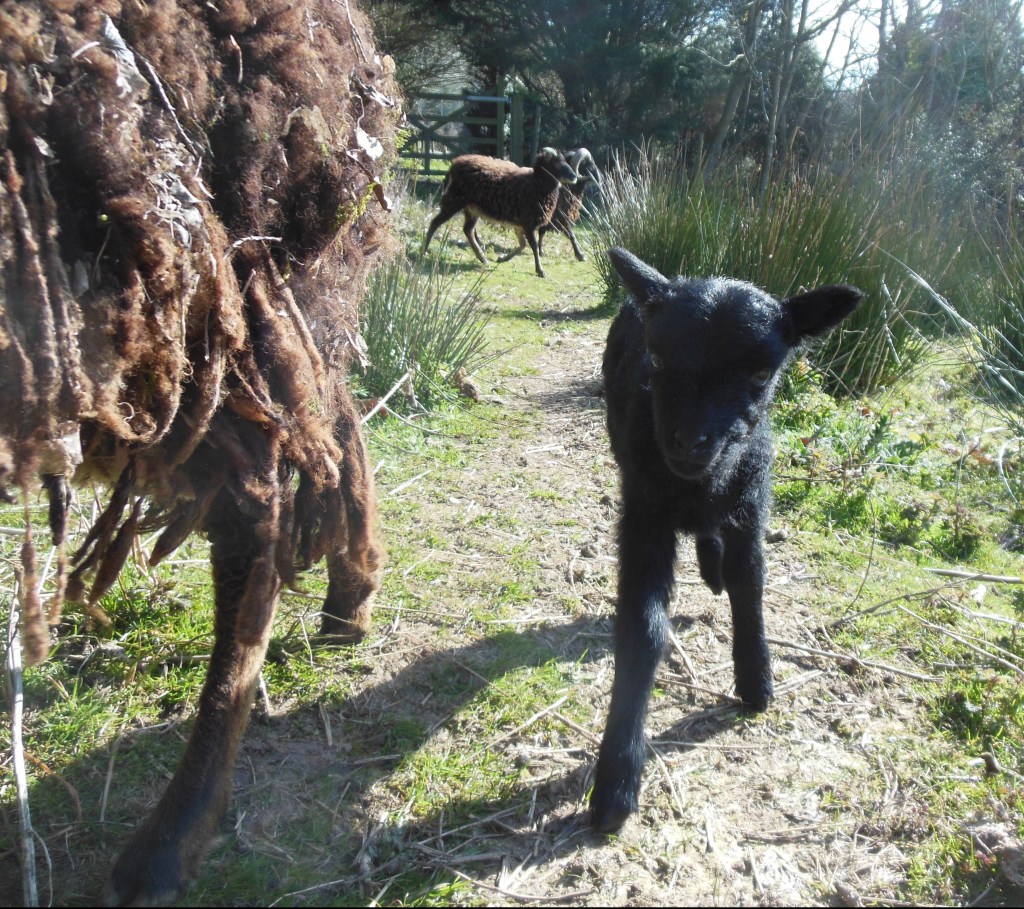
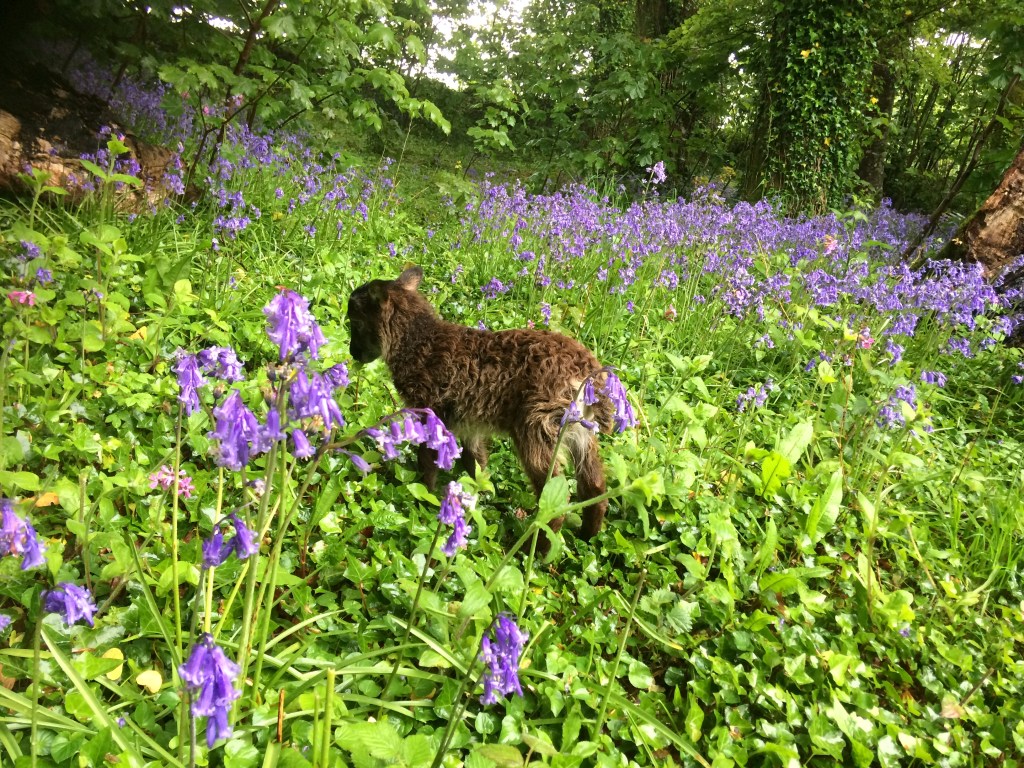
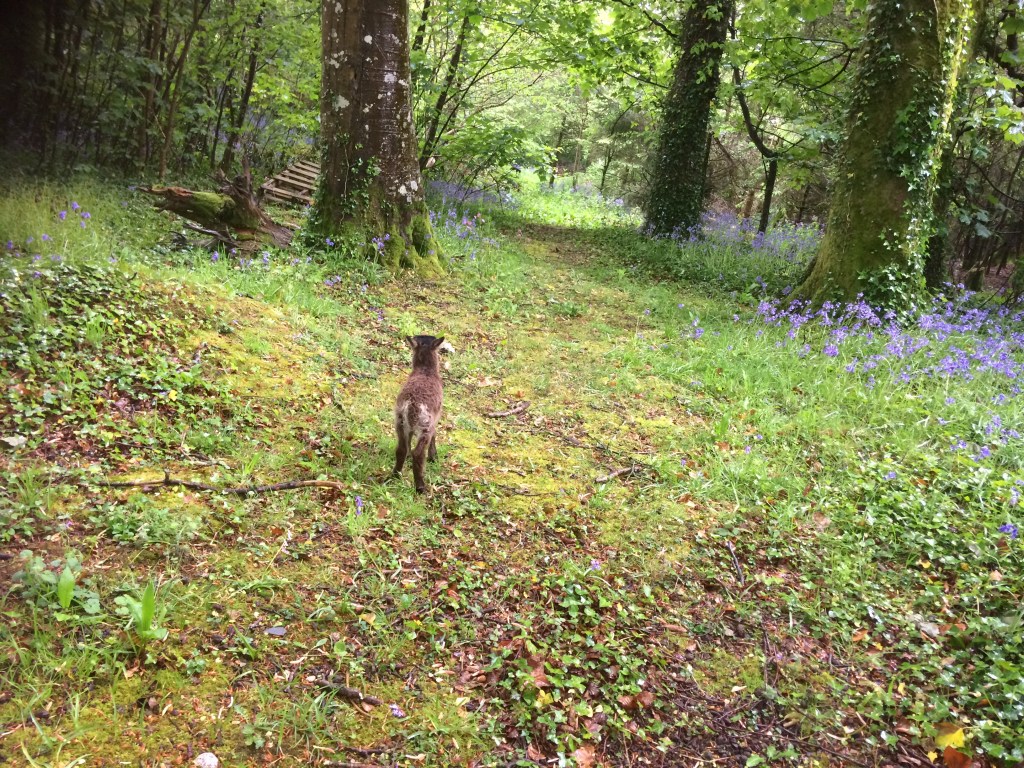
The four remaining ewes surprised us the following spring by producing lambs. Being somewhat naive it had not occurred to us when we acquired them the previous autumn that they might already be in lamb. Our little flock unexpectedly doubled in size to eight. Being so hardy and akin to wild animals the ewes didn’t need any help with lambing – they just got on with it, usually at night, so at feeding time in the morning, to our surprise and delight, there would be a new lamb with its attentive Mum. The lambs were tiny – adult sheep are about a third the size of domestic sheep, so their lambs were correspondingly miniature. Soay ewes are renowned for being good, fiercely protective mothers. Some farmers we knew, who were having recurrent problems with crows pecking out lambs’ eyes, crossed their sheep with Soays because they had heard of their feisty reputation. As they had hoped, this trait carried over into the hybrid and from then on they had no more problems with the crows – the mother ewes saw them off. The lambs always arrive (with the occasional exception) in the two weeks either side of Easter. As Easter varies from year to year according to the phases of the moon, it has made us wonder if the reproductive cycle of the ewes is influenced by the moon too? We suspect that they might also have the ability to delay giving birth if the weather is not suitable – they always seem to produce on warm sunny days, which is invaluable as cold, wet days can prove fatal to new born lambs.
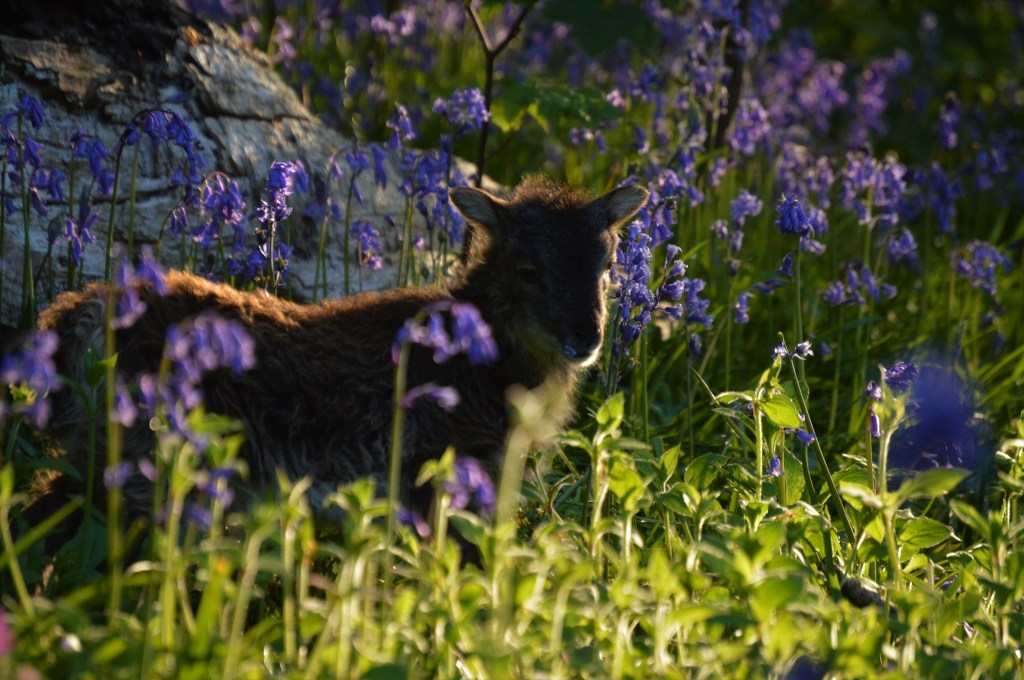
Soays seem more intelligent than the average domestic breed of sheep and are very wily. Most sheep, if they escape from a field, will rarely remember how they got out and it is unusual for them to find their way back (I do not include Herdwicks and some other native breeds in this generalisation, they know the fells where they graze intimately- a knowledge they pass on to subsequent generations). Some years ago, unbeknown to us, our sheep were escaping aided and abetted, I’m sure, by our goat who I suspect made the hole in the fence. A friend mentioned that he had seen them grazing in our neighbour’s grounds. I checked on our sheep and they were all present and correct, so I thought he must have been mistaken. I would check the sheep morning and evening, before and after work and they were always there. One day I returned from work early, I wandered down to see the sheep but they were nowhere to be seen. I called them and could hear them bleating in response, but they were strangely distant and the sound seemed to be coming from the direction of next door. A few minutes later they appeared, followed by the goat. One by one they squeezed through a hole in the fence I hadn’t noticed before and came galloping, dare I say: “sheepishly” up to me – they had been rumbled! They had been clever enough to make sure they were always present and correct when I checked them, but had been sloping off next door in between times! Needless to say the hole was quickly repaired. Fortunately our neighbours were away in London most of the time so they never knew about these transgressions. I checked that the sheep hadn’t caused any damage, fortunately there was none – other than that their grass had been neatly cropped!
Something it took us some years to grasp was how to catch them. Although a low maintenance breed, being largely resistant to fly strike and foot rot, if faecal worm counts indicated we did have to worm them from time to time, or occasionally one would look poorly and need investigation. They are nigh on impossible to herd with a dog (not that we possessed a sheep dog anyway!). Before we knew this, we did try to herd them ourselves with strategically placed family members around the field gradually closing in on them and trying to shepherd them into a pen. This would inevitably result in them panicking – if they did run into the pen they would, with great agility, jump out again or worse, hurl themselves at the fences in a most alarming fashion, often bouncing off and landing on their backs. They were capable of jumping surprisingly high, such was their athleticism. Often my husband would have to grab one as it ran past and rugby tackle it to the ground – to the great amusement of onlookers. What we learned to do eventually was to feed them daily in the pen then, on days when we needed to catch one , we would shut the gate on them and, hey presto, we had them contained in a small area! The fences had to be high enough so they couldn’t jump out. There would still ensue a the usual frenzy – hurling themselves at the fences and gate and charging round in a blind panic. Those sheep not needed would be allowed out and eventually we would be able to catch the one we wanted, still not easy but much better than before.
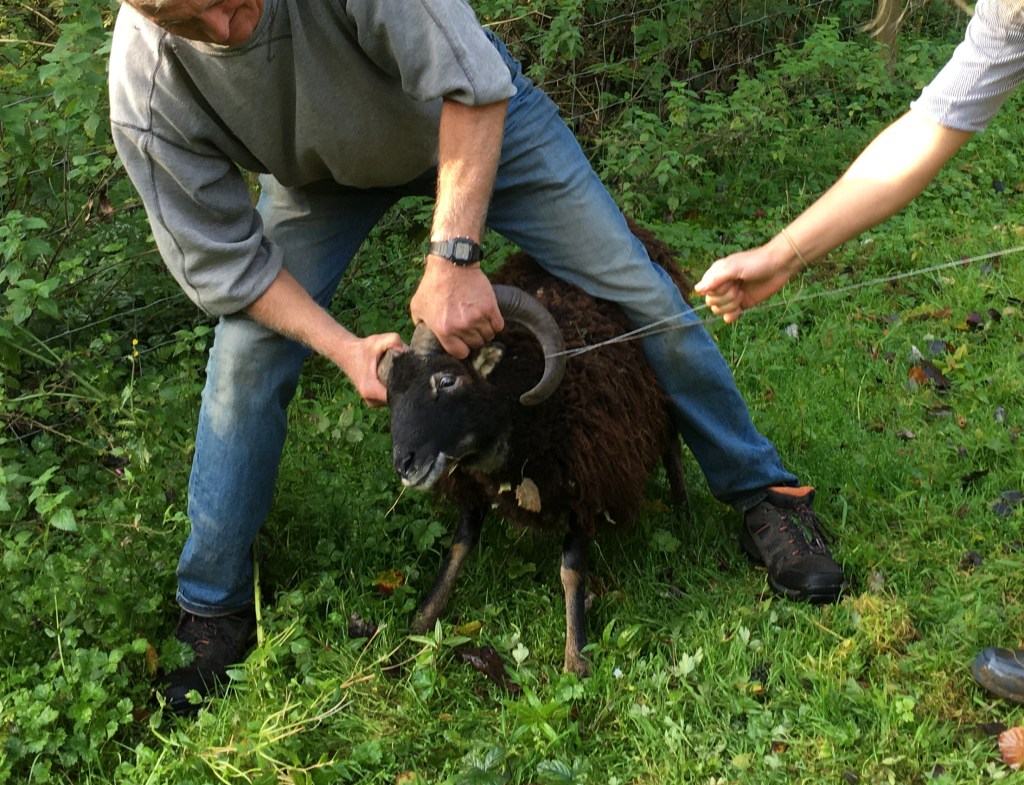
Unfortunately they are clever enough that they are now growing wise to this method too – I feed them in the pen and they rush in to eat, but if I then walk across to leave the pen they race out ahead of me and only return inside once I am well out of the way. If they see me returning they charge out again before I reach the gate. Prior to the day of intended capture I try to keep walking in and out of the pen in a non threatening way in the hope they will get used to it and stay in there. I have resorted to tying baler twine on the gate in the hope that I can hide and pull it shut without them seeing me! On days when we have to catch one for treatment I have to be very careful to behave normally. Anyone assisting has to stay well out of sight. I mustn’t dress unusually or carry anything different from normal as any of these are red flags to them. What I especially mustn’t do is look at the intended victim – if you look at them for any longer than a glance, they know something is up and instinctively know that they are the one you want. Many’s the time all the sheep have followed the feed bucket into the pen – all that is except the one you want who remains nervously and stubbornly outside!
“My sheep listen to my voice; I know them and they follow me” John 10:27
St John was so right – and it’s taken us a shamefully long time to learn this. Calling the sheep and shaking a feed bucket is by far the best way of moving them from field to field. In the past we’ve had disastrous attempts at trying to herd them – often losing several along the way, resulting in much wasted time and stress trying to catch them. My husband one day came up with the bright idea that I should run ahead with a feed bucket, I was somewhat dubious as we had about 30 sheep at that time and I really didn’t think they would all follow me. We had several tame ones so I knew it would work with them, but as for the rest?…….anyway we decided to give it a go. I ran as fast as I could calling and shaking the bucket hoping that they wouldn’t then have time to be distracted – it worked like a charm, I felt like the Pied Piper -they all trotted along behind me in a surprisingly orderly line and the move to next door’s field went seamlessly! Since then it has been the preferred method – I can even do it on my own with no one bringing up the rear – at times when help is not available.
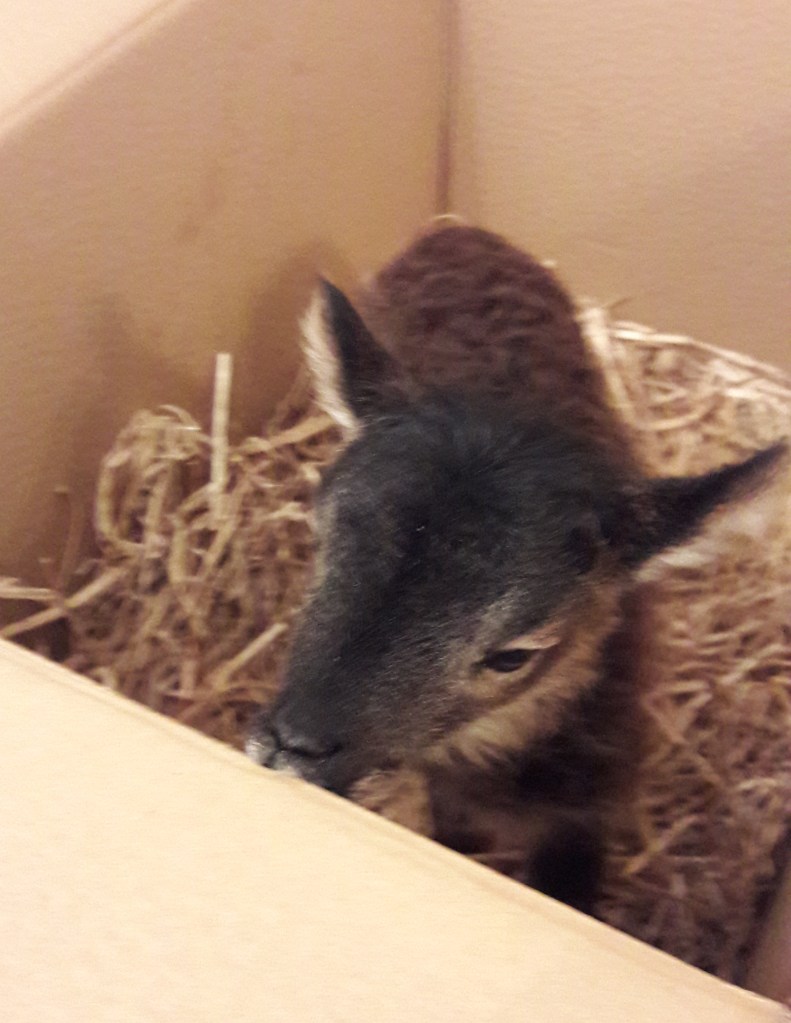
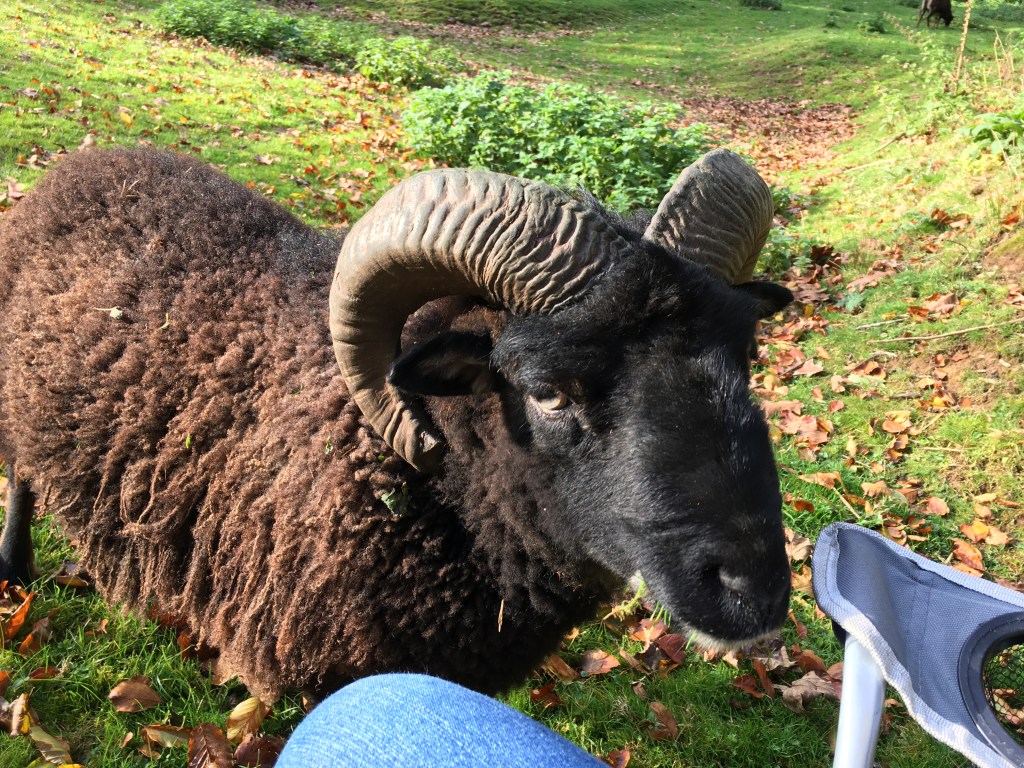
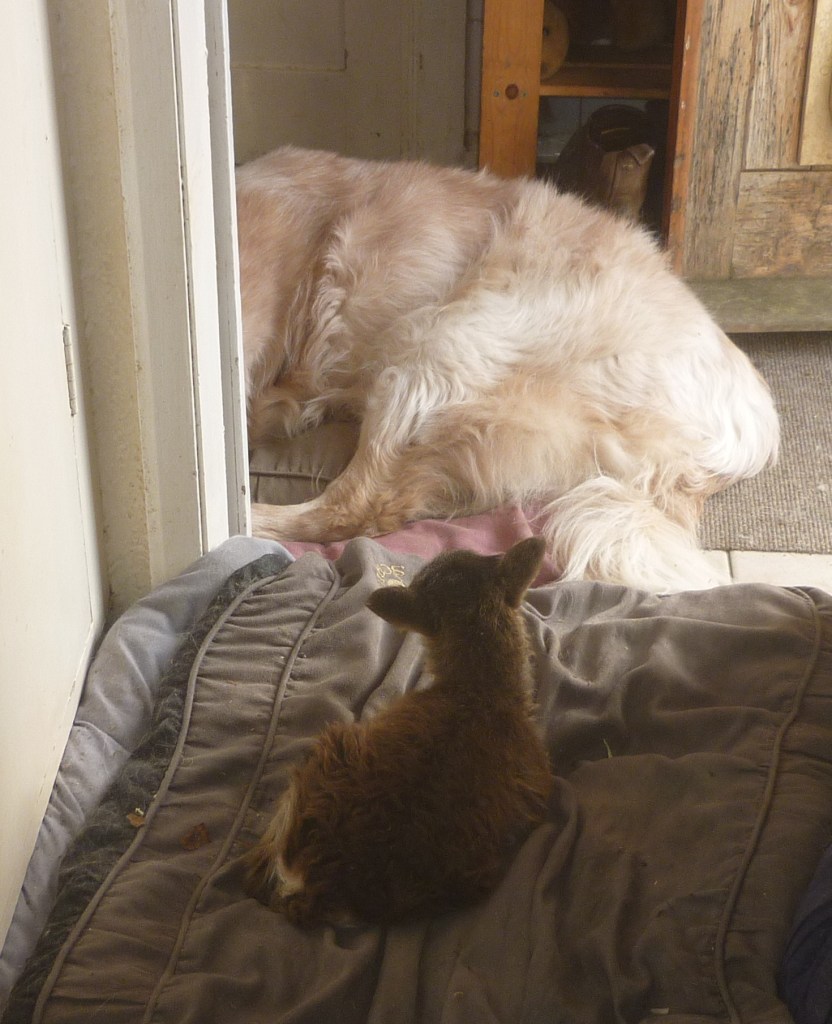
I mentioned earlier that Soays are good mothers and generally they are. We have occasionally had one or two, especially first time Mums, who have proved not to be. One ewe has never “got it”, just shows no interest in her lambs at all. We don’t allow her to have lambs now, having produced three, all of which we have had to hand rear. Another, Millie, who was hand reared herself, was hopeless with her first lamb, we had to rear that one for her. With subsequent lambs she was an extremely good mother, probably the best we’ve had, so it shows they can learn. Another ewe took a couple of years to grasp it, she was fine at feeding her lambs, but was hopeless at protecting them and lost two to predators (probably a fox or buzzard – young lambs are small enough for a buzzard to take). She has now evolved into an extremely watchful and protective mother. Hand rearing is hard work but has rewarded us with some delightful tame sheep. Over the years we’ve had Millie, Tilley, Darcey, Daisy, Rambo and Lamby. Rambo and Lamby are still with us – they are very friendly and will come up to us and demand a fuss if we’re in the field. We call Rambo our “dog sheep”, he was brought up with our two dogs (sadly no longer with us) and is quite dog like in his behaviour. It was quite evident in his infancy that he thought he was a dog. When first introduced to the flock and left with them in the field for a few hours in the hope it would dawn on him that he was in fact a sheep, he was most indignant. He was clearly affronted that he was expected to socialise with these woolly alien creatures, when surely he should be ensconced in his rightful place in our kitchen with his canine companions? Tame sheep are also extremely useful for assisting in leading the rest of the flock when moving etc. . They are much easier to handle and treat too. If I had my way I think I’d have entirely hand reared Soays – much easier to manage!
We did suffer a major tragedy with the sheep, over ten years ago now, but still a trauma etched deeply in my memory. In the first instance our neighbour’s dog attacked and maimed one of our rams. The attending vet said the dog should be put down, but its owners insisted that they would have it trained not to chase sheep so it was sent away and supposedly “cured”. About a year later it escaped from their house and made straight for our sheep again (it was a Jack Russell, so although the field was well fenced it was small enough it to find a way in). On checking them in the evening of that ill fated day I was horrified to find a scene of carnage. Several sheep had their faces ripped off. Our brave goat was covered in blood – not her own, I think she had courageously tried to defend her woolly friends. Those sheep who had escaped attack were traumatised and in a state of panic. I summoned help from my husband and son and called the vet. It transpired that the dog was still in the field – I’ll never forget seeing him run cheerfully up to my son, red with blood and wagging his tail. He was taken straight off by his owner to the vet and put to sleep. I felt sad for the family who had lost their beloved pet, but he was a killer and he would do it again. Several sheep had to be put down straight away which was terribly harrowing. Two of our tame ones, Tilley and Darcey had wounds that the vet thought could be treatable. She stitched them up and gave us antibiotics and pain killers to administer. We kept them in a pen in our garden and I nursed them diligently for several weeks, they did improve and gave us hope initially, but then seemed to give up and went downhill. I was heartbroken when they died. It is surprising how much damage a dog so small can inflict.
As numbers grew the sheep became increasingly unmanageable for us and we didn’t have enough land so, with heavy hearts, we decided we should re home some of the them. Fortunately we managed to find suitable homes locally. Our numbers are much reduced now, which is easier for us to cope with – especially as we’re not getting any younger!
We do love our sheep and, despite their flighty nature, they are beguiling. The tame ones can be as friendly and affectionate as dogs and though shy and wary even the wilder ones seem to be drawn to us and will run up to and follow us around if they don’t feel threatened. After a stressful day at work I often find visiting and talking to the sheep very restorative. They gather round and appear to be listening. The troubles of the day quietly slip away. Their quiet calmness and tranquility is infectious. Stroking pets is widely acknowledged to stimulate the release of endorphins (hormones that help us deal with stress and pain) also the bonding hormone oxytocin as well as lowering our heart rate and blood pressure – I suspect stroking our tame sheep induces a similar effect. A walk then through our beech trees, along past our pond and back up the field to our garden and I am restored.
*(1) Ryder M L 1981: A Survey of European Primitive Breeds of Sheep
 Never Mind the Bullocks